

Where the Bahrain National Museum Is
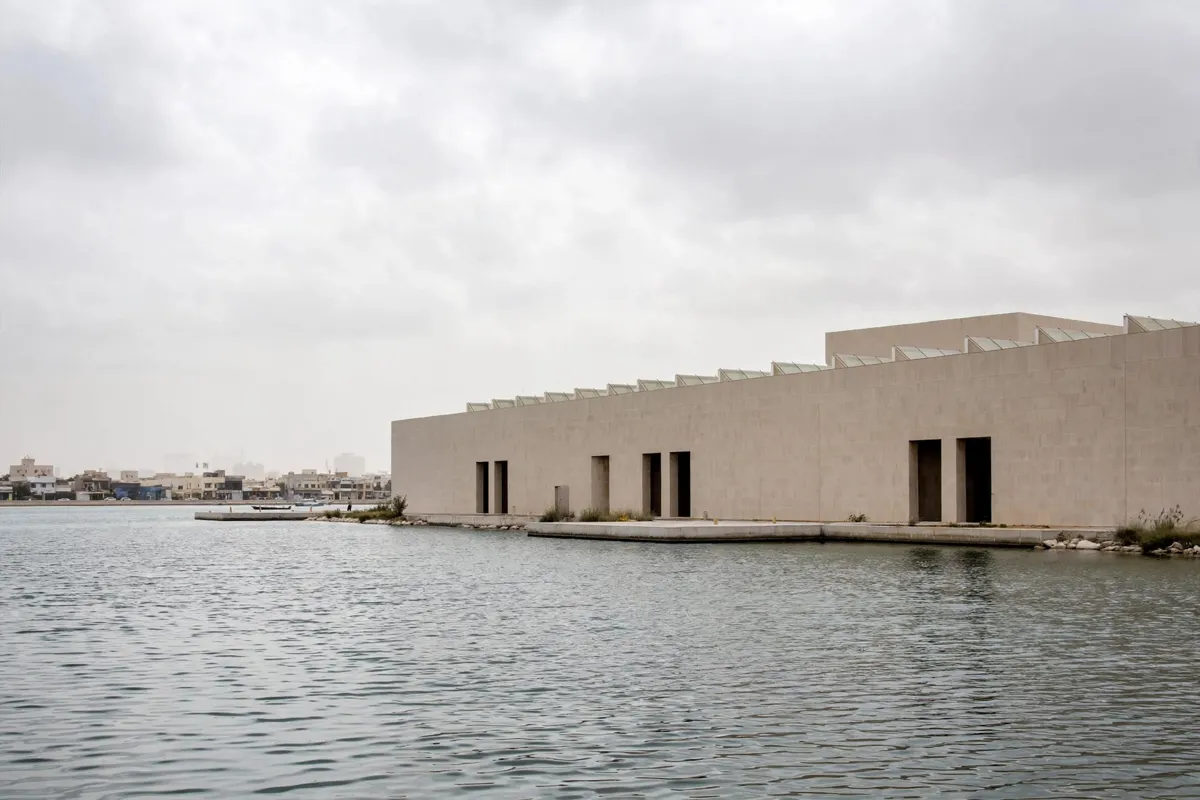
The Bahrain National Museum is in Manama, on an artificial peninsula overlooking Muharraq. The Bahrain National Theatre is adjacent, making the two cultural landmarks easy to consider together. The museum’s waterfront setting is part of its context, but the building itself is also worth noting: Krohn and Hartvig Rasmussen designed it with a white travertine marble façade.
From The Spot Residence, the museum is about a 14-minute drive, or about a 53-minute walk. The complex consists of two connected buildings with approximately 20,000 square metres of floor space. It was officially inaugurated on 15 December 1988 and has since served as a centre for promoting Bahrain’s Dilmun heritage and developing the arts.
What the Museum Covers
The Bahrain National Museum presents roughly 6,000 years of Bahrain’s history, from Dilmun through later historical periods. It also explores the country’s customs, traditions and crafts, so the galleries bring archaeological and historical subjects together with accounts of everyday life.
Six main halls organise the permanent displays: Burial Mounds; Dilmun; Tylos and Islam; Customs and Traditions; Traditional Crafts; and Documents and Manuscripts. In Customs and Traditions, models recreate traditional Bahraini trades, homes and daily life before the oil era. These scenes offer a different way into the museum’s history, alongside its archaeological material and documents.
The main building includes permanent exhibition areas, temporary exhibition halls, an art gallery, a lecture hall, a gift shop and a café. The art hall has a permanent collection of works by Bahraini artists and also hosts temporary exhibitions regularly.
The museum has also staged its annual Bahrain Annual Fine Arts Exhibition since 1972. It showcases work by new and established artists, with multiple art forms represented.
If you want to pair this visit with another museum, the guide to Bait Al Quran and its collection covers a separate cultural stop. The museum’s adjacent theatre is another nearby institution, while its own mix of archaeology, customs, crafts and art provides several different subjects to follow inside.
Opening Hours and Ticket Details
The Bahrain Authority for Culture and Antiquities’ English working-hours listing gives the Bahrain National Museum’s hours as 9:00am to 8:00pm daily except Tuesday, when it is closed.
Admission is listed as 1 BD for tourists and residents and 500 fils for citizens. The government directory describes the ticket process as determining how many tickets you need, paying the fee and collecting the tickets; it does not specify online booking.
Before you set out, check the official site of the Bahrain Authority for Culture and Antiquities for current opening hours and admission information.
How to Get There from Juffair
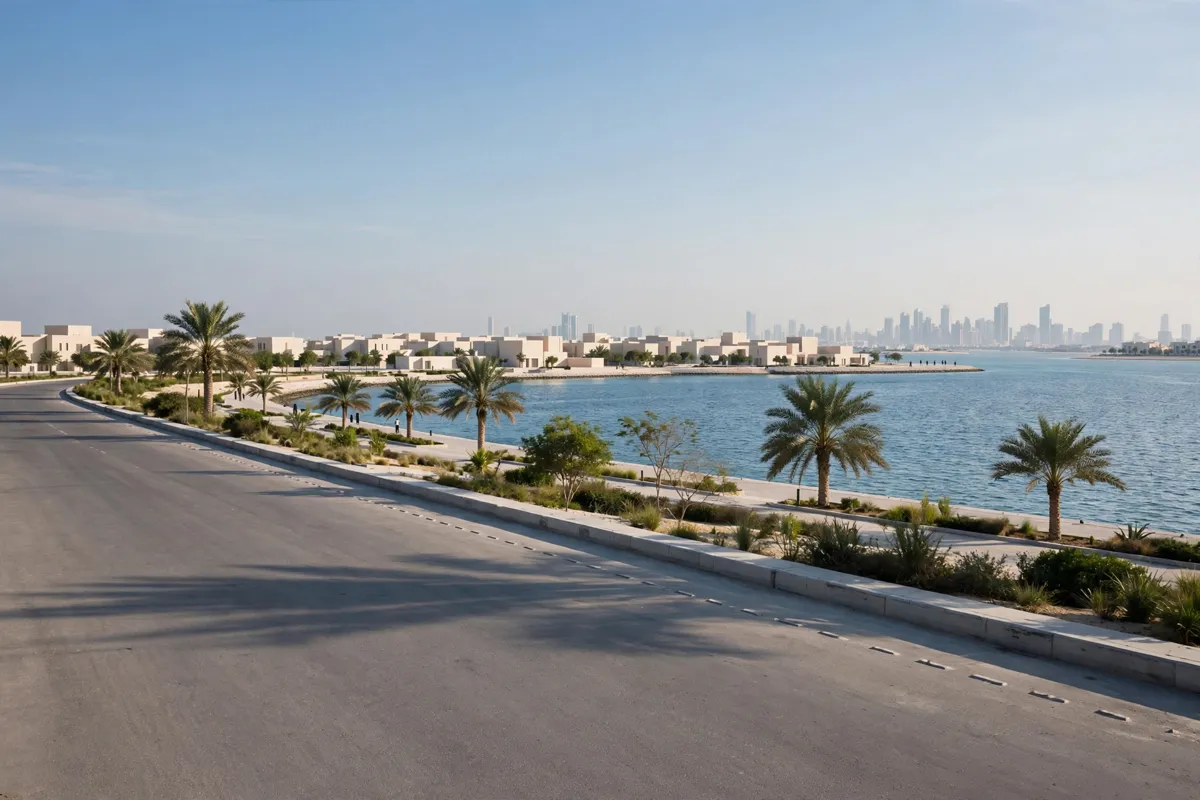
If you’re taking public transport, check the route details before planning the journey. Bahrain Public Transport lists routes 41 and 42 as serving Juffair and connecting it with Manama and other districts, but those listings do not establish a direct Juffair-to-museum service.
Route B1 serves the National Museum on Fridays and Saturdays, running between Manama, Water Garden City, Bahrain Bay and the museum. You can check whether its route and service times suit your plans, then confirm the current details with Bahrain Public Transport before travelling.
For a broader plan around the area, see this one-day Juffair and Manama itinerary. The museum’s location beside the Bahrain National Theatre also makes the theatre a natural landmark to include when arranging your route, without needing to treat the museum as a standalone stop.
How Much Time to Allow
The available details do not give a recommended visit duration, so there is no fixed amount of time to plan around.
A useful way to shape your visit is to decide which subjects matter most to you: the six halls cover archaeology and historical periods as well as customs, crafts and manuscripts, while the art gallery adds a separate focus on Bahraini artists.
If you want a broad overview, allow time to move through the different hall themes rather than focusing only on one period. You can then make room for the café or gift shop if you plan to use them.
The museum’s exhibition spaces can also host temporary and visiting shows, so the permanent subjects are a reliable basis for planning, while any current exhibition details are best confirmed before your visit.